


Solid and Firm with Sufficient Bone
Bone Graft Implants
An implant procedure that supplements deficient alveolar bone
with bone graft materials before placing the implant fixture
What is a Bone Graft Implant?
Stable Foundation for Dental Implants
When alveolar bone volume is insufficient, this procedure grafts the patient's own bone or biomaterials to build adequate bone support before placing the dental implant.
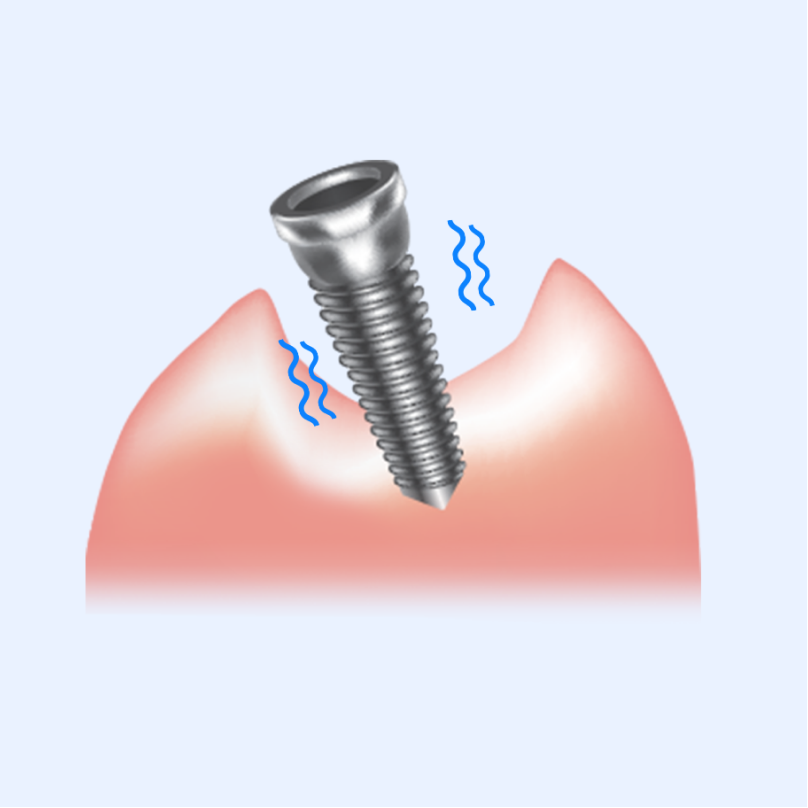 01
Insufficient alveolar bone Unable to anchor implant
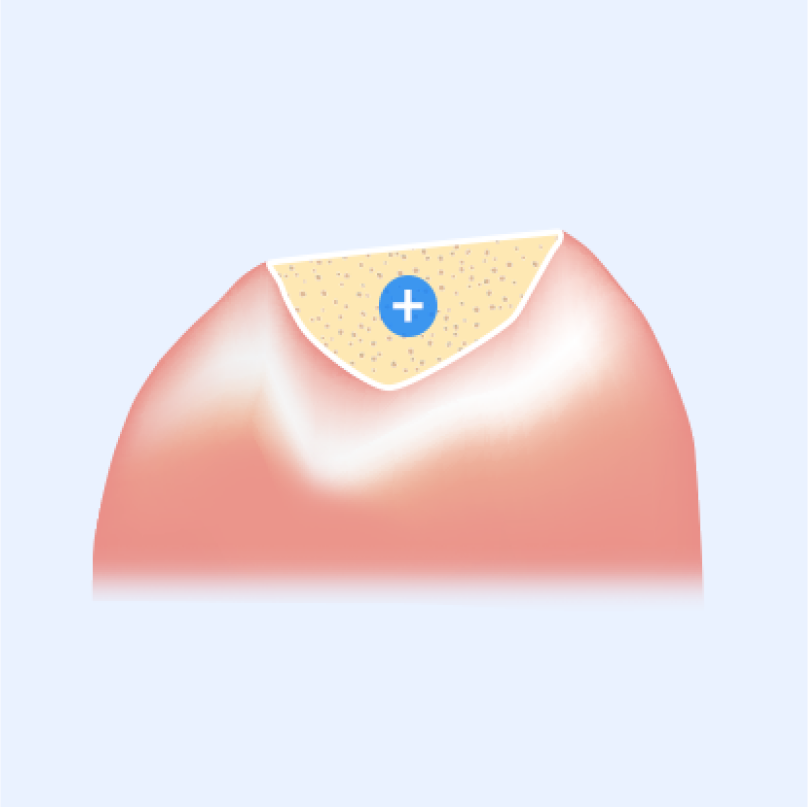 02
Bone grafting
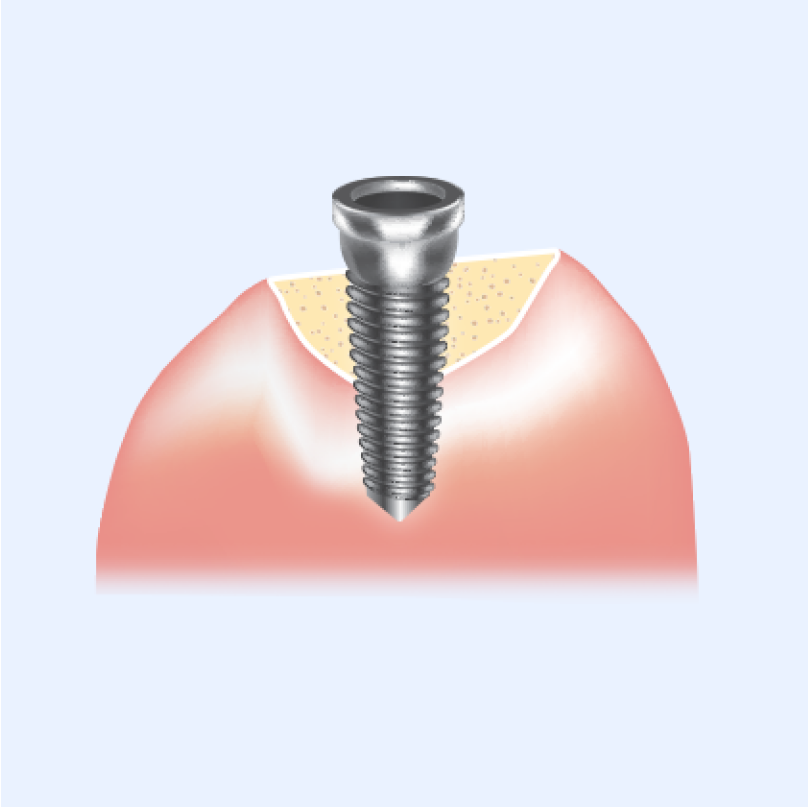 03
Implant placement
Bone grafting serves as the foundation for dental implant surgery, creating the vital base required for stable, long-lasting implant osseointegration.
Sinus Lift Procedure
Procedure for Stable Upper Molar Implants
A sinus lift (maxillary sinus elevation) is performed when there is insufficient bone between the maxillary sinus cavity and the jawbone to support an implant: the sinus membrane is gently lifted and bone graft material is filled in.
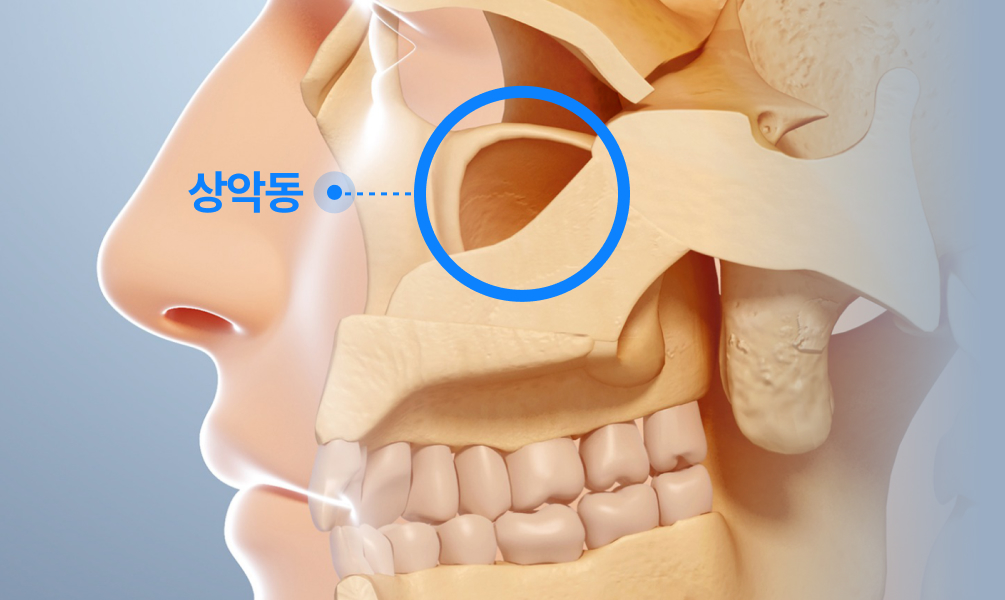
The maxillary sinus naturally tends to expand. When missing teeth are left untreated for a long period or as alveolar bone resorbs with age, the sinus cavity drops downward and enlarges. This phenomenon is known as Sinus Pneumatization, which makes bone height too thin to support dental implants. When bone height is deficient, a 'Sinus Lift (Sinus Elevation)' is performed to lift the sinus membrane and place bone graft materials.
Before sinus lift: Thin jawbone
After sinus lift: Thickened jawbone
*Yellow line: Boundary between jawbone and maxillary sinus *Blue line: Boundary after sinus lift procedure
Because the upper jaw has lower bone density and delicate sinus membranes with perforation risks, it is a highly complex procedure that requires experienced clinicians, advanced diagnostic equipment, and verified surgical expertise.
Bone Graft Implant Treatment Process
Digital Surgery Utilizing Advanced Equipment
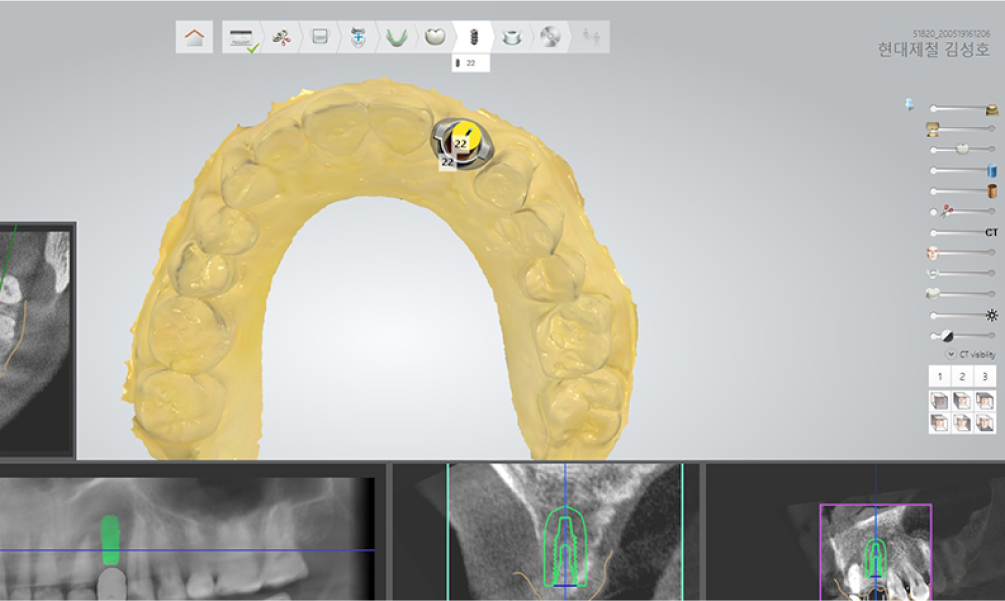
- STEP 01 Digital Diagnosis & Computer Simulation
- Using 3D-CT, we conduct a precision analysis of dental and bone structures, followed by computer-guided 3D simulation to formulate a comprehensive implant plan.
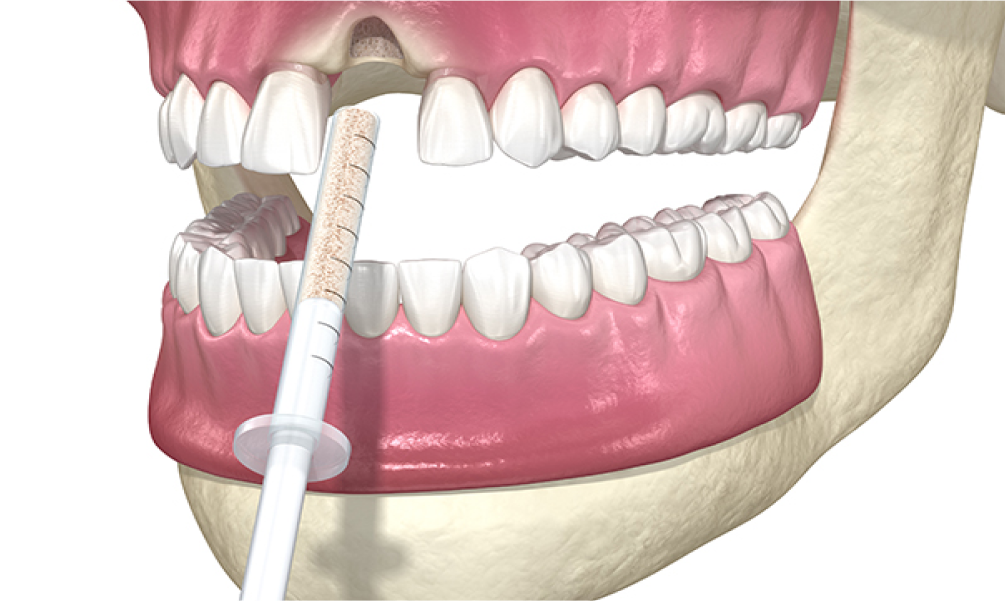
- STEP 02 Bone Graft Surgery
- Using suitable graft materials such as autogenous or synthetic bone, grafting is performed. A fusion period of at least 4–6 months is required for bone regeneration.
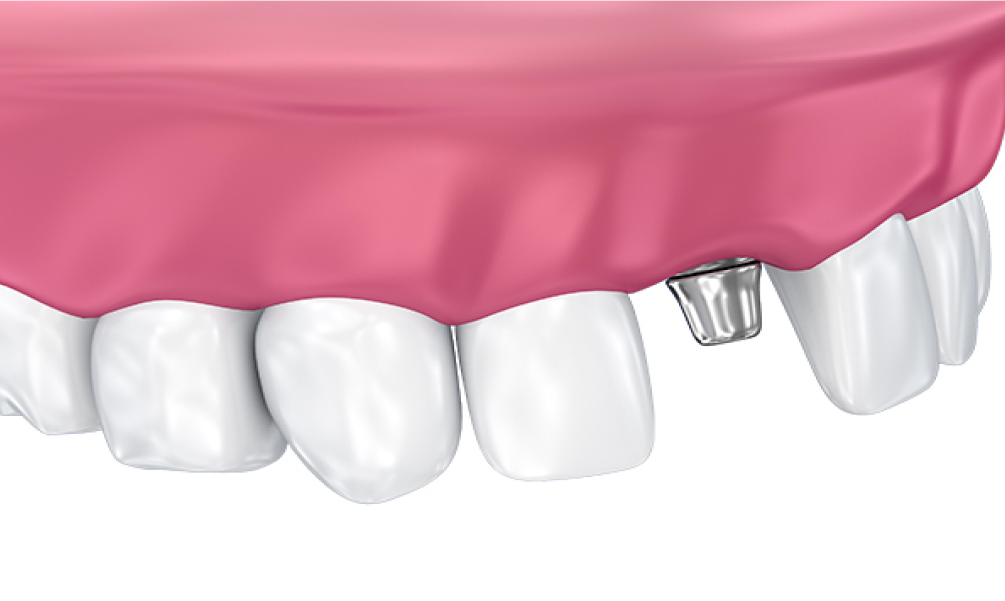
- STEP 03 Implant Fixture Placement
- Once full bone integration and stability are confirmed, the titanium implant fixture is placed.
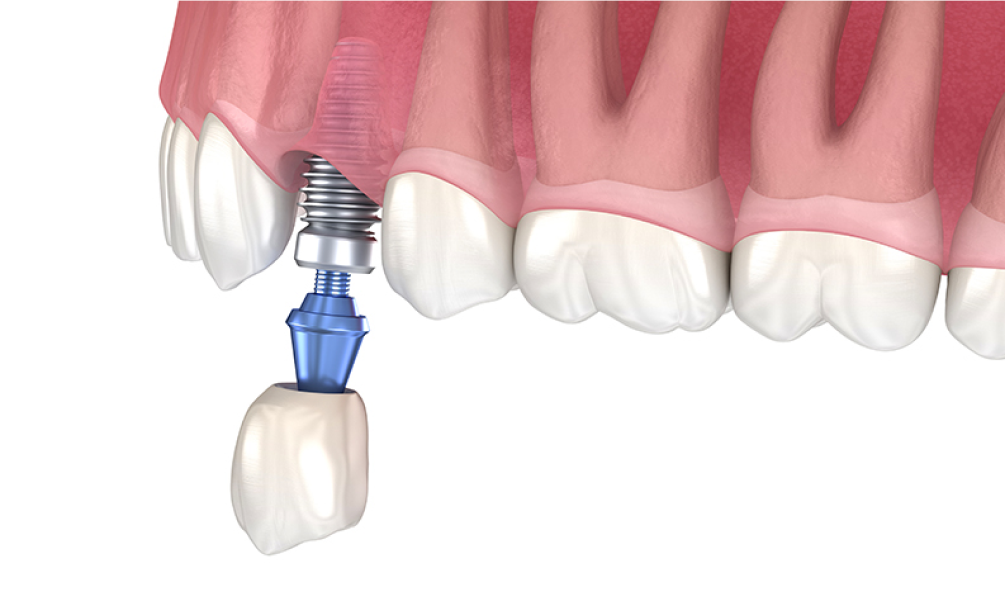
- STEP 04 Crown Placement & Completion
- After the implant fixture is securely anchored, a custom-designed prosthodontic crown is affixed to complete the procedure.
Key Benefits of Bone Graft Implants
Strong Teeth, Long-Lasting Implants
Implant Success Rate
Artificial Tooth Functionality
Aesthetic Results
Preventing complications that arise from insufficient bone—such as implant failure and loss of chewing functionality—while restoring bone contour to achieve natural, balanced aesthetics.
Samdae Dental Bone Graft Materials
High-Safety Verified Materials
- 01
- Autogenous Tooth Bone
- Processed in-house from extracted natural teeth
- 02
- Autograft (Autogenous Bone)
- The patient's own bone
- 03
- Allograft
- Processed human donor bone graft material
- 04
- Xenograft
- Bovine or porcine bone (primarily bovine)
- 05
- Synthetic Bone
- Artificially synthesized biocompatible ceramic bone
Autogenous bone carries the lowest rejection risk but requires a donor harvest procedure with additional surgical recovery. Other graft materials, while having slightly different integration profiles, exhibit low resorption rates and excellent volume retention. Considering these characteristics, we select the ideal material tailored to each patient's anatomical condition and surgical environment.
Who Needs Bone Graft Implants?
Patient-Tailored Implant Solutions
Restore your teeth with Samdae Dental's bone graft implants and regain a healthy smile!
Those who have had missing teeth for a long time
Those with thin or low jawbone height
Those who lost teeth due to periodontal disease
Those receiving immediate implants right after tooth extraction
Those with naturally weak or thin jawbone
Those who lost bone structure due to an accident or trauma
Bone Graft Implant Q&A
Rediscover the Joy of Chewing!
- Q
Is a bone graft always necessary?
ATo prevent implant failure and loss of chewing capability caused by bone deficiency, insufficient sites must be reinforced with biocompatible graft materials. Bone graft materials not only fill the gap but also stimulate new natural bone formation, providing the durable foundation needed for lifelong implant use.
- Q
Is a bone graft implant procedure more painful?
APain tolerance varies by individual, but with local anesthesia and pain management protocols, patients feel minimal discomfort during surgery. After anesthesia wears off, manageable soreness may occur, but taking prescribed medications as directed and using ice packs will control swelling and pain. Following our post-operative instructions ensures a smooth, comfortable recovery.