


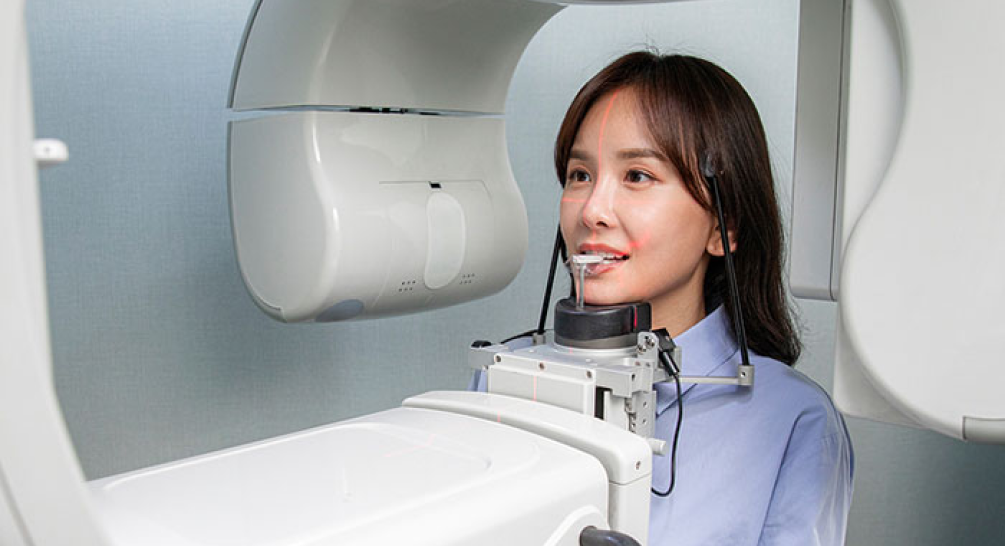
Precision Diagnostics
Panoramic and 3D CT imaging
evaluates joint anatomy and structural disc shifts
JAW BOTOX
Botox for Therapeutic Care, not just cosmetic lines
Unlike cosmetic procedures aimed solely at slimming the jawline, therapeutic jaw botox treats teeth grinding (bruxism), clenching, and TMJ disorders, relieving excessive muscle tension, pain, and tooth wear.
Injecting botulinum toxin into the masseter (jaw muscle) and temporalis (temple muscle) relieves excessive involuntary bite force.
Relieves TMJ joint pain, tension headaches, and tooth cracking or thermal sensitivity caused by teeth grinding and clenching.
As hypertrophied chewing muscles relax and slim down, you also achieve a naturally contoured jawline.
Those who grind teeth while sleeping
or habitually clench their jaw during daytime
Those waking with a stiff jaw
or suffering from frequent temple tension headaches
Those whose teeth are chipped or worn,
and sensitive to cold foods and drinks
Those with clicking jaw sounds
or pain when opening their mouth wide
※ To avoid antibody resistance, repeat procedures are generally recommended at intervals of 3 to 6 months or longer.
We accurately diagnose the root cause and severity of jaw discomfort
to formulate your individualized treatment plan.
A condition causing joint pain, clicking noises, and restricted jaw opening
due to muscle strain and joint dysfunction
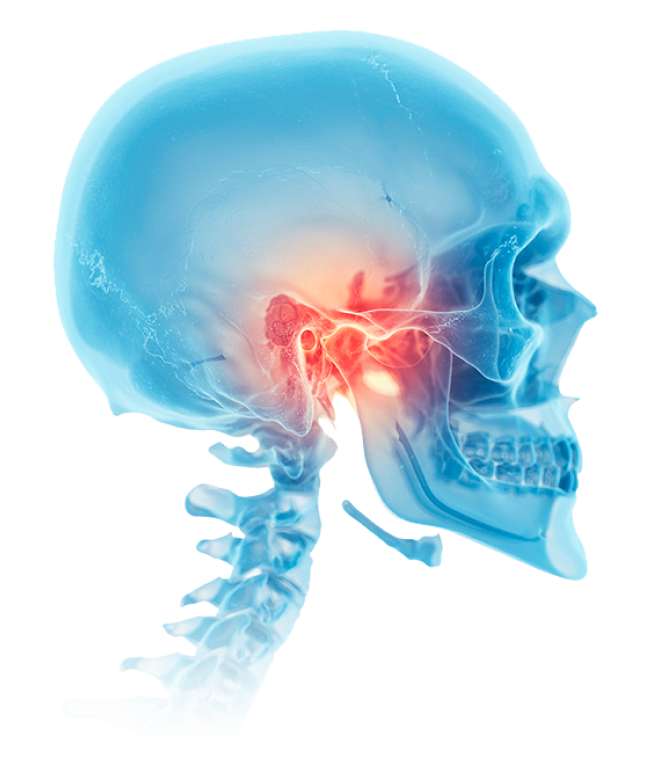
Disorders affecting the temporomandibular joint and masticatory muscles used for chewing and speaking are collectively termed temporomandibular disorders (TMD).
When a TMJ disorder arises, it can involve chronic muscle spasms and inflammation, and resulting pain can radiate into severe headaches, neck tension, and shoulder stiffness.
Therefore, we recommend comprehensive diagnostic evaluation at a clinic equipped with specialized physical therapy modalities.
Notice clicking or popping in your jaw?
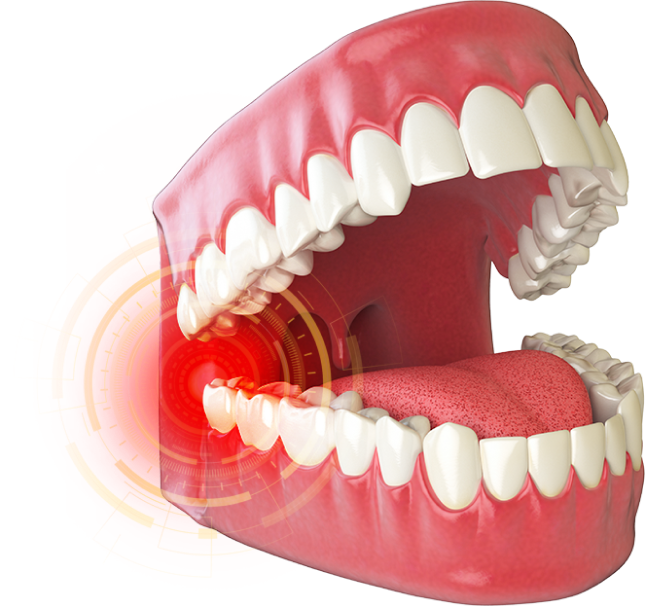
A distinct clicking or popping sound occurs when opening or closing your mouth.
The mouth cannot open easily, or the jaw feels as if it is catching or dislocating.
You experience fatigue or pain when chewing foods or speaking.
The jaw deviates to one side or tracks unevenly when opening wide.
Persistent tenderness or aching exists around the jaw joints.
※ If you identify with 1 or more items, you may have a TMJ disorder. We recommend scheduling an examination at Samdae Dental.
Multiple internal and external contributing factors

Excessive mental tension causes prolonged involuntary muscle clenching, accumulating muscle fatigue and straining the jaw joints.

Bruxism, daytime clenching, resting the chin on hands, or chewing on one side place severe unequal forces on the joints.

Direct impact to the head or face, or whiplash from traffic accidents, can dislocate the articular disc and damage joint ligaments.

Sleeping on your side or stomach, resting on hands, and poor neck posture distort the musculoskeletal alignment of the jaw.
Personalized 1:1 care tailored to your diagnosis
Panoramic and 3D CT imaging
evaluates joint anatomy and structural disc shifts
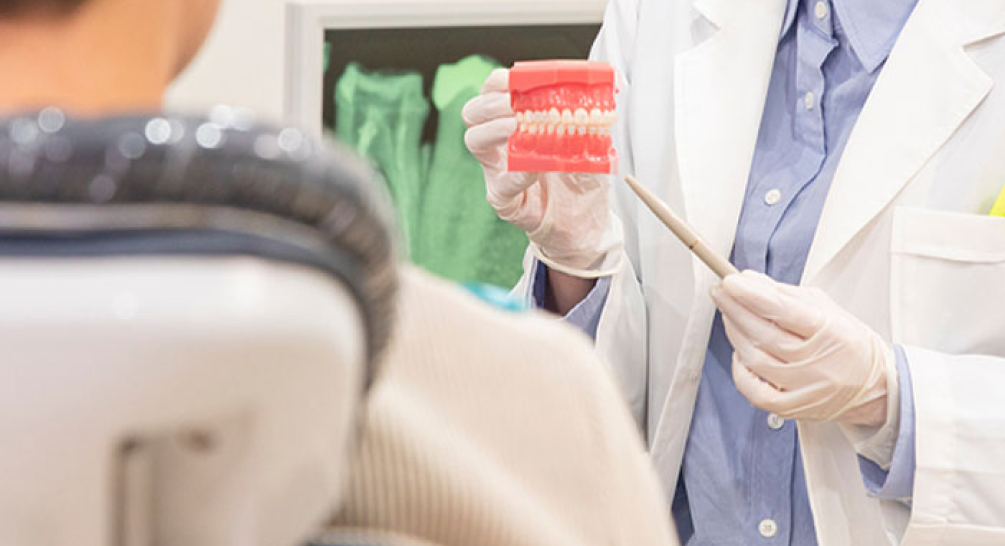
Based on diagnostic findings,
personalized splint, medication, and physical therapies are applied
Rather than offering temporary symptom masking,Samdae Dental targets the root causes of your TMJ disorder to provide lasting relief.