


Prosthodontic Treatment
Restoring Natural Tooth Form and Function
Restorative care replacing lost or missing teeth when damaged by trauma,
capped with crowns for protection after root canal, or lost to periodontal disease
What is Prosthodontic Treatment?
Protecting natural teeth and restoring oral function
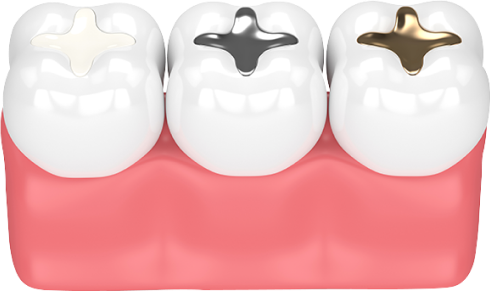
Why is prosthodontic treatment necessary?
Prosthodontic treatment is a dental specialty that protects natural teeth and restores optimal oral function when teeth are damaged, fractured, or lost due to severe decay, root canals, periodontal disease, or trauma.
It prevents impaired digestive function caused by reduced chewing force, stops speech impediment from missing front teeth, and prevents food impaction and cavities in empty spaces.In short, it is comprehensive care improving masticatory function, clear speech, and smile esthetics.
Who Needs Prosthodontics?
Esthetics + Restoring natural tooth function
Teeth requiring full crown coverage after root canal therapy
Teeth that are fractured, chipped, or lost due to external trauma
Extensive decay where structural tooth protection is vital
Teeth that are severely worn down or decayed
When you need to correct irregular tooth shapes
Missing teeth where dental implant surgery is difficult
Prosthodontic Care
Don't delay your treatment timing!
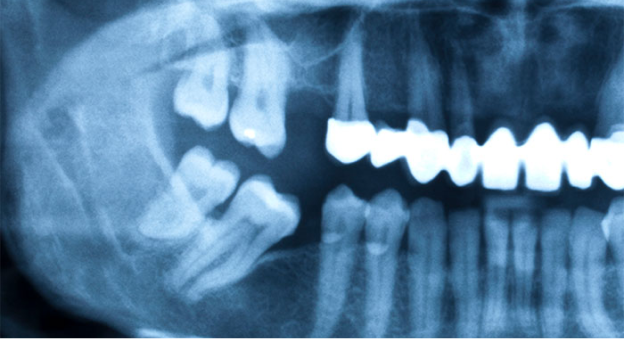
When a tooth is lost, adjacent teeth tilt into the empty space, causing a domino effect.
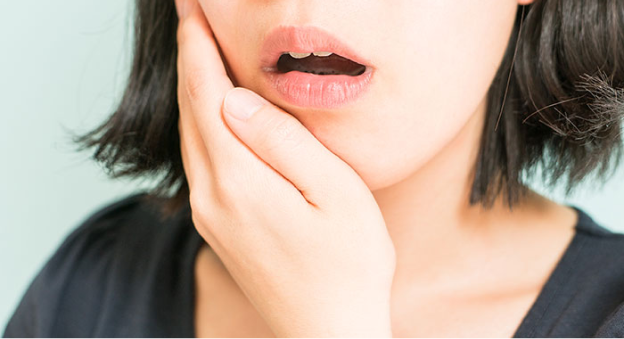
Bite misalignment develops, often triggering severe TMJ pain.

Chewing becomes uncomfortable on one side, leading to noticeable facial asymmetry.
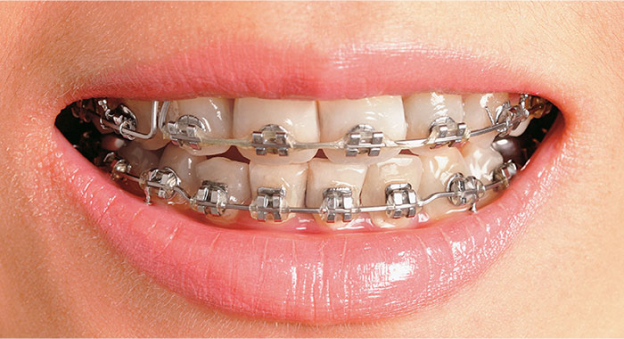
As dental arch alignment collapses, complex orthodontic treatment may become necessary.
Prosthodontic treatment is not only for cosmetic improvement.Over time, neighboring teeth tilt into vacant gaps, causing TMJ disorders and changes in facial contour.If you have missing or damaged teeth, prompt prosthodontic restoration is strongly advised.
Types of Prosthetics
Selected according to material properties and extent of tooth damage
Types based on degree of tooth damage
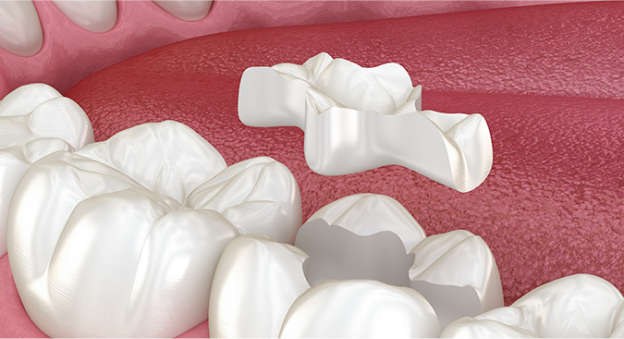
- Inlay
- For minor to moderate decay:decay is conservatively removed, an impression is taken, and a custom piece is bonded to restore the cavity.
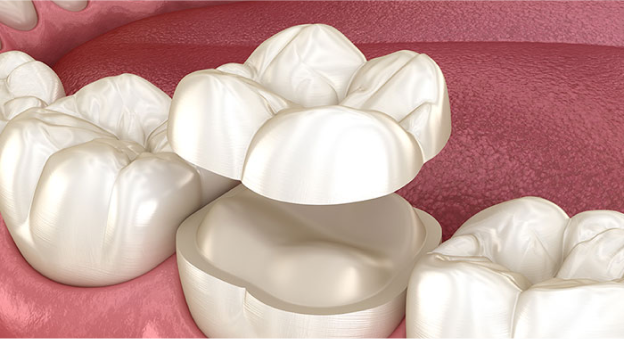
- Crown
- To protect a fragile tooth:a custom cap is placed over the entire crown portion of the tooth to restore strength and anatomy.
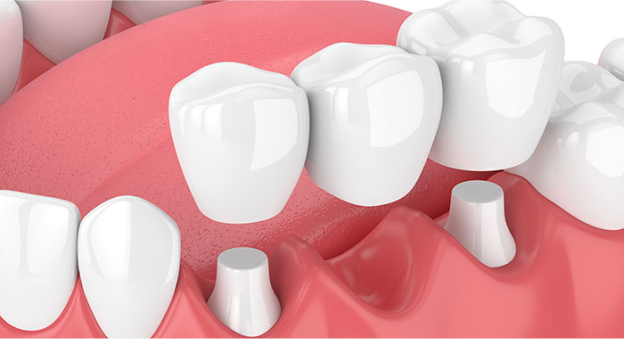
- Bridge
- When teeth are missing:adjacent natural teeth on either side are used as anchors to suspend an artificial tooth across the gap.
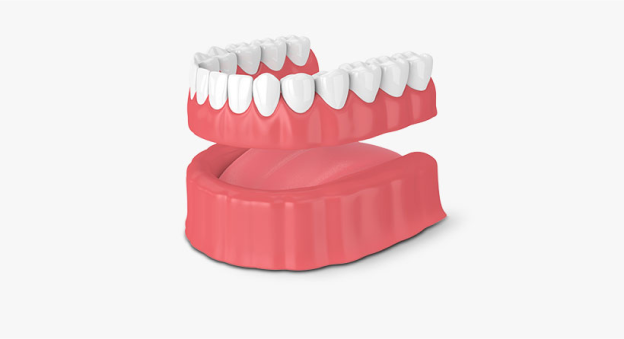
- Denture
- When many or all teeth are lost,especially for older adults whose jawbone cannot support implants, custom removable dentures are fabricated.
Types based on prosthetic material
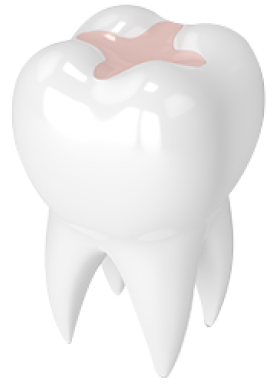
- Ceramic Inlay
- Very close to natural tooth enamel in shade and translucency. Offers high strength and durability compared to composite resin, though slightly more brittle than gold under heavy clenching.
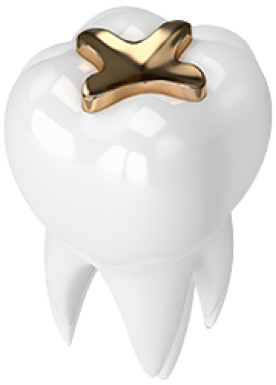
- Gold InlayGold Crown
- Outstanding strength, flexibility, and biocompatibility. Highly recommended for posterior molars enduring heavy chewing loads, although metallic in color.
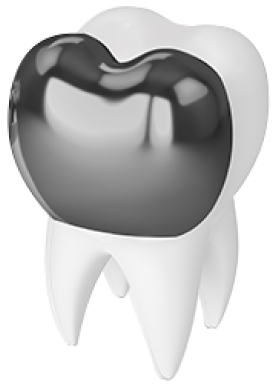
- PFM Crown
- Constructed with an inner metal coping overlaid by dental porcelain. Combines structural metal strength with natural ceramic look, though surface porcelain can chip under heavy shock.
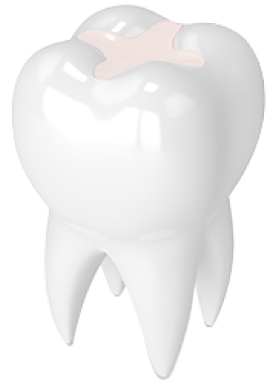
- Zirconia
- A high-strength metal-free ceramic boasting the highest fracture resistance among modern dental materials. Diamond-like durability with lifelike natural tooth aesthetics.